
Caregiver Jobs in Germany 2026: How to Find Pflegehelfer and Care Assistant Roles
Published July 2026 • Updated July 2026 • by Emma Fischer ・ 7 min read
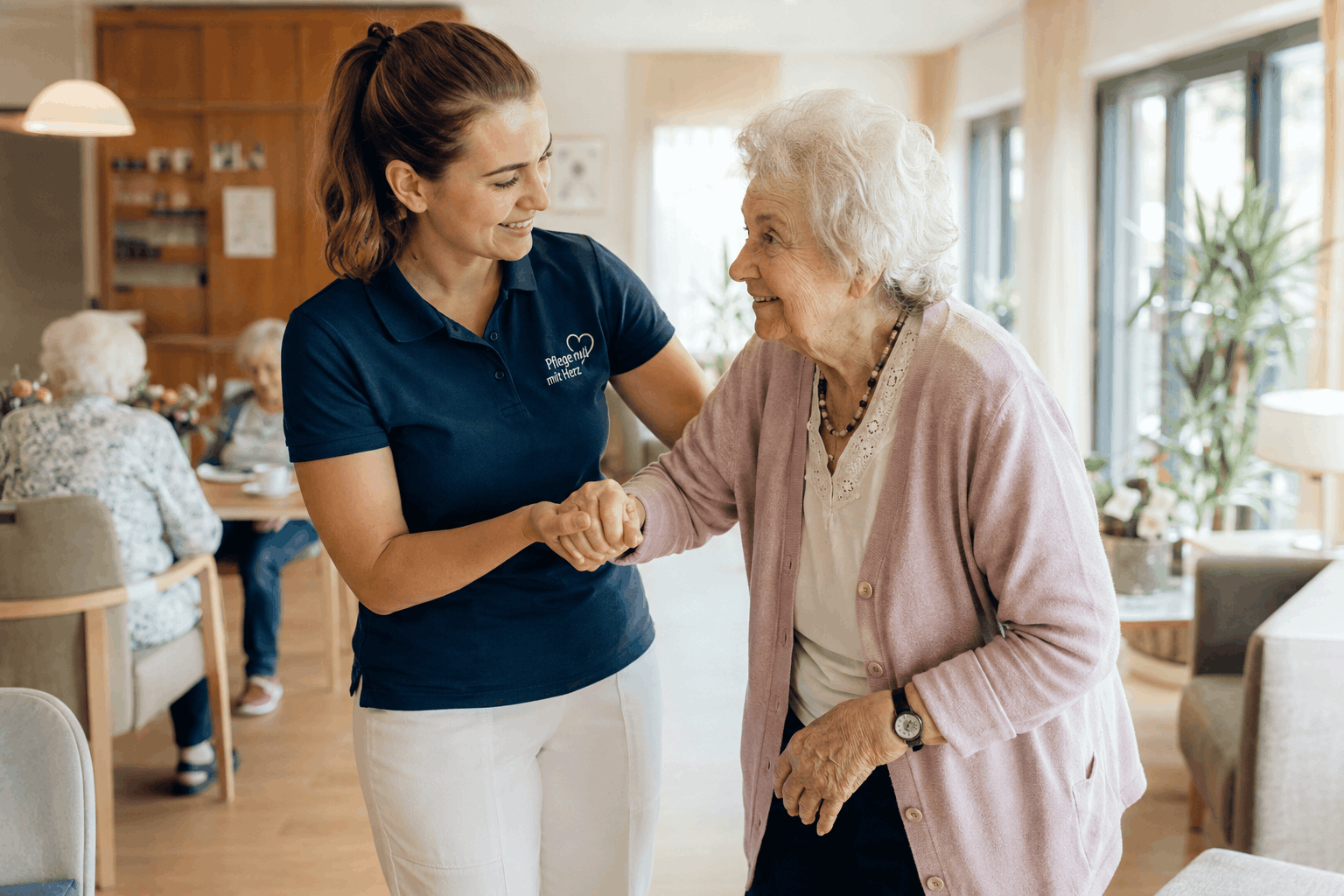
Caregiving is one of the more realistic ways to break into the German job market without a university degree, and the demand is strong enough that employers are actively recruiting for assistant-level roles.
Editorial note
This article is based on current German labor market, wage, and recognition guidance as of mid-2026. Always verify salary and immigration details through official sources before applying.
- Assistant-level caregiving roles can be a realistic entry point into Germany without a nursing degree
- The sector has strong demand and clearer legal protections than many other care markets
- Recognition and official job boards are essential for a smoother international application process
RELATED POSTS



Why caregiving is worth a closer look
If you spend time browsing Germany job content, you will usually see IT, engineering, healthcare, logistics, and customer service repeated over and over. Caregiving is different because the demand is tangible, the entry bar is lower than many people assume, and employers are often open to applicants who are reliable, patient, and willing to learn on the job.
Germany's aging population has created a structural shortage of care workers, especially in care homes, assisted-living facilities, and home-care services. That means assistant-level roles can be more accessible than many other visa-sponsored categories, especially for people who want to enter the market without a nursing license or a university degree.
What the work pays
Germany's care sector has wage floors that are updated on a regular basis, and the current entry-level figures are meaningful. A caregiver assistant can start from about €16.10 per hour, which works out to roughly €2,790 gross per month on a standard 40-hour week. Junior caregivers often begin around €17.35 per hour, while experienced senior caregivers can start from about €20.50 per hour.
Experienced caregivers with a decade or more in the field can earn around €4,150 per month. On top of that, German care work comes with stronger legal protections than many other countries' care sectors, including rules against unpaid overtime and extra paid leave entitlements for full-time staff.
Who is hiring
Several established organizations recruit internationally rather than relying only on short-term campaigns. Caritas and Johanniter are two of the most relevant names to watch directly, and larger hospital groups such as Charité, Helios, and Asklepios also employ care and nursing-support staff alongside clinical roles.
Searching those employers directly with terms like Pflegehelfer or Pflegeassistenz usually surfaces more relevant openings than broad searches for 'caregiver jobs Germany,' which are often dominated by agencies and aggregator sites.
How your experience can be recognized
If you have prior caregiving experience, even informal or family-care experience, Germany has an official recognition process called Anerkennung. The first step is to use the Recognition Finder on the official portal to identify the right authority for your profession and state.
You will typically need certified documents, translated qualifications, and a review of whether your background is fully equivalent to the closest German reference occupation. In some cases, the authority may ask for an adaptation course or a knowledge test before you can proceed.
What you should prepare before applying
A valid passport, basic German readiness, and a practical understanding of the work are the three most important things to prepare. B1 to B2 German is preferred for direct patient care, though assistant-level roles can still be more flexible at the initial hiring stage. Physical stamina is essential because the role involves standing, lifting, walking, and helping residents with daily routines.
Hands-on experience with older adults, children, or family caregiving can help, even if it was informal. Employers often care less about a formal diploma than about whether you can be trusted in a demanding, people-facing environment.
Official resources to use
- Caritas Job- und Praktikumsbörse — Germany-wide care and social-sector listings for roles such as Pflegehelfer and Pflegeassistenz.
- Johanniter Stellenangebote — current openings across the organization, including senior care and support roles.
- Johanniter Seniorenhäuser — care-home vacancies with specific senior-care and support roles.
- Official recognition procedure — the German government's guidance on recognition, qualification assessment, and the Recognition Finder tool.
- Make it in Germany — official guidance for nursing and care professionals from abroad, including visa and admission information.
Salary range
| Role | Estimated pay |
|---|---|
| Caregiver assistant | From €16.10/hour (about €2,790/month gross) |
| Junior caregiver | From €17.35/hour (about €3,010/month gross) |
| Senior caregiver | From €20.50/hour (about €3,550/month gross) |
| Experienced caregiver | Around €4,150/month |
Application steps
- 1Check the official recognition portal to see whether your experience or training can be assessed in Germany.
- 2Gather certified documents and translations before you apply to employers or authorities.
- 3Search directly on Caritas and Johanniter job boards for care-helper and care-assistant roles.
- 4Prepare your language plan and make sure your passport and documents are ready for visa or recognition steps.
- 5Apply for suitable roles and follow up with employers that mention care-home or home-care vacancies.

Emma Fischer
Senior Career Writer
Emma Fischer is a senior career writer focused on helping international professionals navigate Germany and Europe job markets with practical, research-backed guidance.