
Germany Jobs 2026: What's Actually Open Right Now (And Where to Apply)
Published July 2026 • Updated July 2026 • by Rina Sato ・ 10 min read
Germany's job market in 2026 is a strange mix of headlines. On one hand, overall hiring has cooled compared to the peak years of 2022–2023. On the other, the country is sitting on hundreds of thousands of vacancies it simply can't fill — and in some fields, employers are dropping degree requirements altogether just to get people through the door. If you're wondering what's genuinely hiring in Germany right now, this guide walks through exactly where the openings are, which companies are actively hiring, and how to actually apply in 2026.
RELATED POSTS



The Big Picture: Germany's 2026 Job Market
Germany enters the second half of 2026 with a labor market that's cooled from its post-pandemic hiring boom but is still structurally short on workers. According to the Federal Employment Agency (Bundesagentur für Arbeit), the country's official shortage occupation list — the Mangelberufsliste — currently covers 163 occupations where demand for qualified workers significantly outpaces supply.
The scale of the gap is hard to overstate. Estimates from the German Economic Institute (IW) put the number of unfilled skilled positions somewhere between 370,000 and 630,000 depending on methodology and time of year, with projections suggesting the shortfall could reach close to 768,000 positions by 2028 as more of the workforce retires than enters. The Institute for Employment Research (IAB) has forecasted a shortfall of roughly seven million workers by 2035 if current demographic trends continue.
At the same time, this isn't a story of jobs everywhere for everyone. Generalist and administrative roles are seeing far more competition. The opportunity is concentrated — heavily — in specific fields.
Where the Real Shortages Are
A few sectors stand out clearly as of mid-2026:
- Healthcare and elder care — Germany needs thousands of new nurses and caregivers every year; physicians are in short supply, particularly in rural areas
- Skilled trades and construction — Electricians, HVAC technicians, and industrial mechanics remain some of the hardest roles to fill; roughly 30% of construction firms report they cannot find needed staff
- Engineering — Mechanical, electrical, civil, and industrial engineers remain in persistent demand; close to 45% of open electrical engineering positions went completely unfilled at points in 2024
- IT and software development — Germany is still short roughly 109,000 IT professionals; around 85% of German companies report that these gaps are actively hurting their operations
- Logistics and transport — Around 30% of transport and logistics firms still report unfilled positions; Deutsche Bahn is actively recruiting train drivers and traffic controllers
Companies and Sectors Actively Hiring Right Now
A few concrete signals of where hiring is happening as of July 2026:
- Siemens has announced plans to create 700 new jobs in the Rhine-Main region by 2030, focused on the energy transition
- Deutsche Bahn is holding recruitment events across southern Germany for train driver and traffic controller roles
- Germany's defense sector has been absorbing talent at a notable pace, with hundreds of former Bundeswehr personnel moving into private defense companies
- One major online job portal listed more than 8,000 vacancies nationwide in early July 2026 explicitly open to career changers
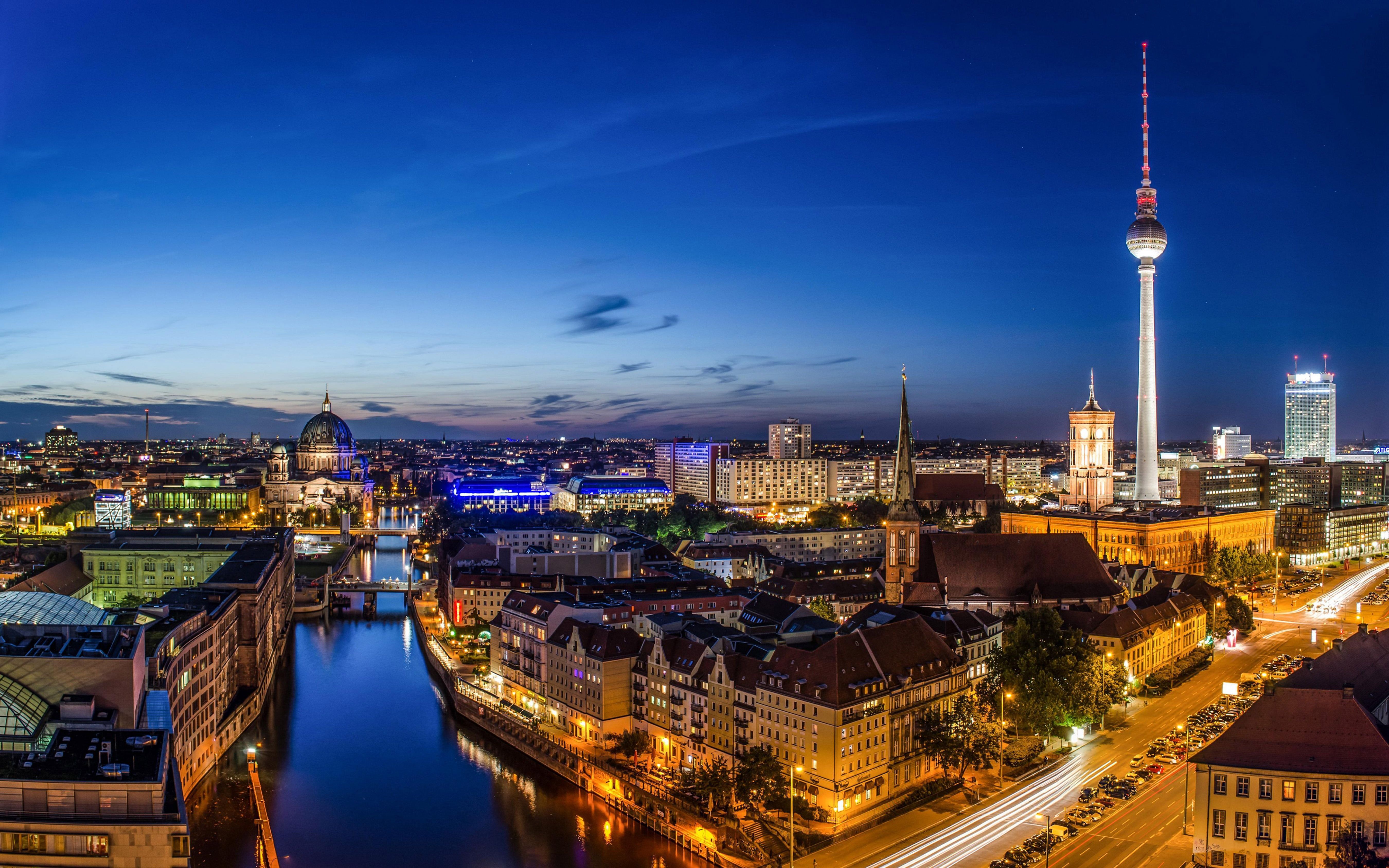
- Berlin's tech scene continues as a major hiring hub with companies like Zalando, Delivery Hero, and N26 regularly posting roles
- Munich leans toward blue-chip employers like BMW, Siemens, Allianz, and SAP with strong demand for engineering graduates
- Hamburg anchors shipping, logistics, and renewable energy project management hiring
The Shortage Occupation List and Why It Matters
If you're an international candidate, understanding Germany's shortage occupation list isn't optional — it's one of the biggest levers you have. The Federal Employment Agency updates this list annually using labor market data. An occupation qualifies as a 'bottleneck profession' when there are no more than three registered unemployed people available for every open vacancy in that field.
Being on this list unlocks real, practical advantages:
- A lower minimum salary threshold for the EU Blue Card — roughly €45,934 gross per year for shortage occupations in 2026
- Skipping the priority check, where employers normally have to prove no suitable German or EU candidate was available before hiring internationally
- Faster visa processing overall, since shortage occupation roles are explicitly prioritized
Visa Pathways for International Applicants
For candidates applying from outside the EU, a few visa routes are worth understanding. The EU Blue Card is Germany's primary pathway for skilled professionals, with a reduced salary threshold for shortage occupations. The Skilled Worker Visa applies to those with recognized vocational training in shortage trades, reflecting Germany's recognition that its labor gap can't be closed through academic hiring alone. The Opportunity Card is a points-based job-seeking visa that allows candidates in demand sectors to search for work in Germany without needing a job offer already secured.
Most experts recommend starting the credential recognition process (Anerkennung) as early as possible, since verifying that a foreign degree or vocational qualification is equivalent to a German one can take significant time and is often the true bottleneck in an otherwise fast-moving process.
How to Actually Apply
The path to a German job involves several key steps that, when done in the right order, can significantly improve your chances and speed up the timeline.
- Identify your shortage-occupation status by checking Germany's official Mangelberufsliste
- Start credential recognition early through the relevant Chamber if your training was completed outside Germany
- Build a targeted company list of 20–30 employers in your specific field and region
- Prepare a German-format CV, which typically includes a professional photo, structured layout, and factual tone
- Get a baseline read on your German language level — even English-friendly roles benefit from A2 to B1 German
- Apply and budget realistically for the process, which commonly runs 6 to 12 months from application to relocation
Frequently Asked Questions
Is 2026 actually a good time to look for a job in Germany? It depends heavily on your field. For shortage occupations — healthcare, skilled trades, and specialized IT roles in particular — 2026 remains a genuinely strong window, especially for candidates with B2-level German and location flexibility.
Do I need to speak German to get a job in Germany? Not always. Many IT and multinational-company roles operate primarily in English, but most employers still prefer at least A2 to B1 German, and healthcare and public-facing roles typically require B1 to B2.
How long does the whole process take, from application to actually working in Germany? For most international candidates, a realistic timeline runs 6 to 12 months, including credential recognition, visa processing, and job search or onboarding time — though shortage-occupation applicants may move somewhat faster.
Which German cities have the strongest job markets right now? Berlin leads on volume and diversity, particularly in tech and startups. Munich offers the highest concentration of blue-chip employers in engineering, finance, and technology. Hamburg anchors logistics, shipping, and renewable energy hiring.
Salary range
| Role | Estimated pay |
|---|---|
| Skilled trades (electricians, mechanics) | €3,000–€4,000 per month |
| Nursing and elder care | €2,800–€3,800 per month |
| Software development | €4,000–€6,500 per month |
| Engineering (mechanical, electrical, civil) | €4,200–€6,800 per month |
Application steps
- 1Check Germany's official shortage occupation list to understand your visa advantages
- 2Begin credential recognition through the relevant Chamber as early as possible
- 3Build a targeted list of employers in your field and region
- 4Prepare a German-format CV with professional photo and structured layout
- 5Assess your German language level and identify any gaps you need to fill
- 6Start applying to roles, budgeting for a 6 to 12 month timeline from application to relocation
- 7Complete visa and relocation paperwork once you have a job offer
- 8Begin your new role with proper onboarding and integration support

Rina Sato
Career Editor
Rina Sato writes practical career guides for international job seekers and helps readers understand hiring trends in Germany and beyond.